Practical Steps for Building Stronger Neighborhoods
Building stronger neighborhoods is often a collaborative effort that requires input and engagement from local residents. This article outlines practical steps that can be taken to enhance community ties and improve local living conditions.
Understanding Community Dynamics
Strong neighborhoods typically thrive on a foundation of effective communication and mutual support among residents. According to studies, communities with active resident participation experience lower crime rates and higher satisfaction levels. Understanding the dynamics of your neighborhood is the first step toward fostering a sense of community.
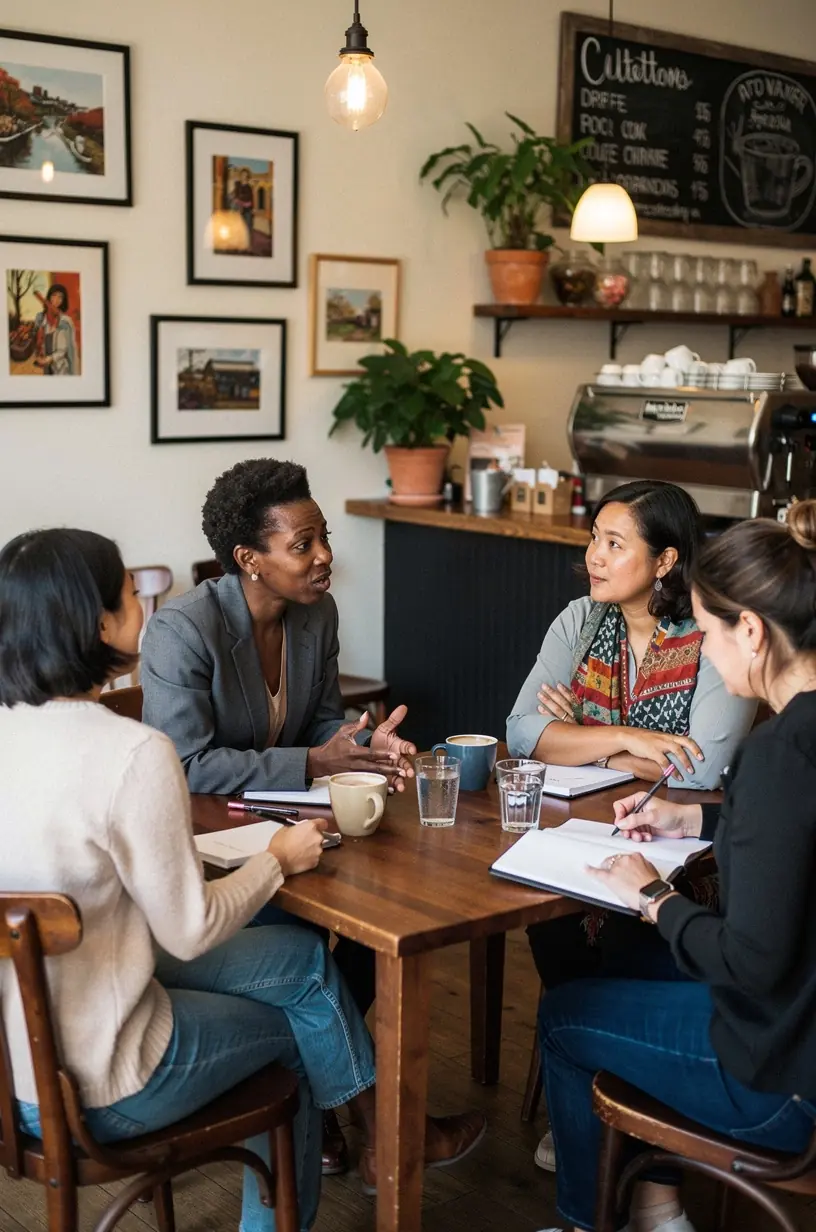
"Communities that engage in regular dialogue create environments where people feel safe and valued." - Community Development Expert
Practical Steps to Foster Community Engagement
- Organize Community Meetings: Regular gatherings provide a platform for residents to share concerns and ideas. Research indicates that neighborhoods with frequent meetings often report a stronger sense of community.
- Establish Neighborhood Groups: Forming groups focused on specific issues—such as safety, parks, or local events—can help individuals connect over shared interests. This approach can effectively strengthen community bonds over time.
- Utilize Social Media: Platforms like Facebook and Nextdoor enable neighbors to communicate quickly and efficiently. Many users report that these channels help them stay informed about local events and urgent matters.
Encouraging Local Events
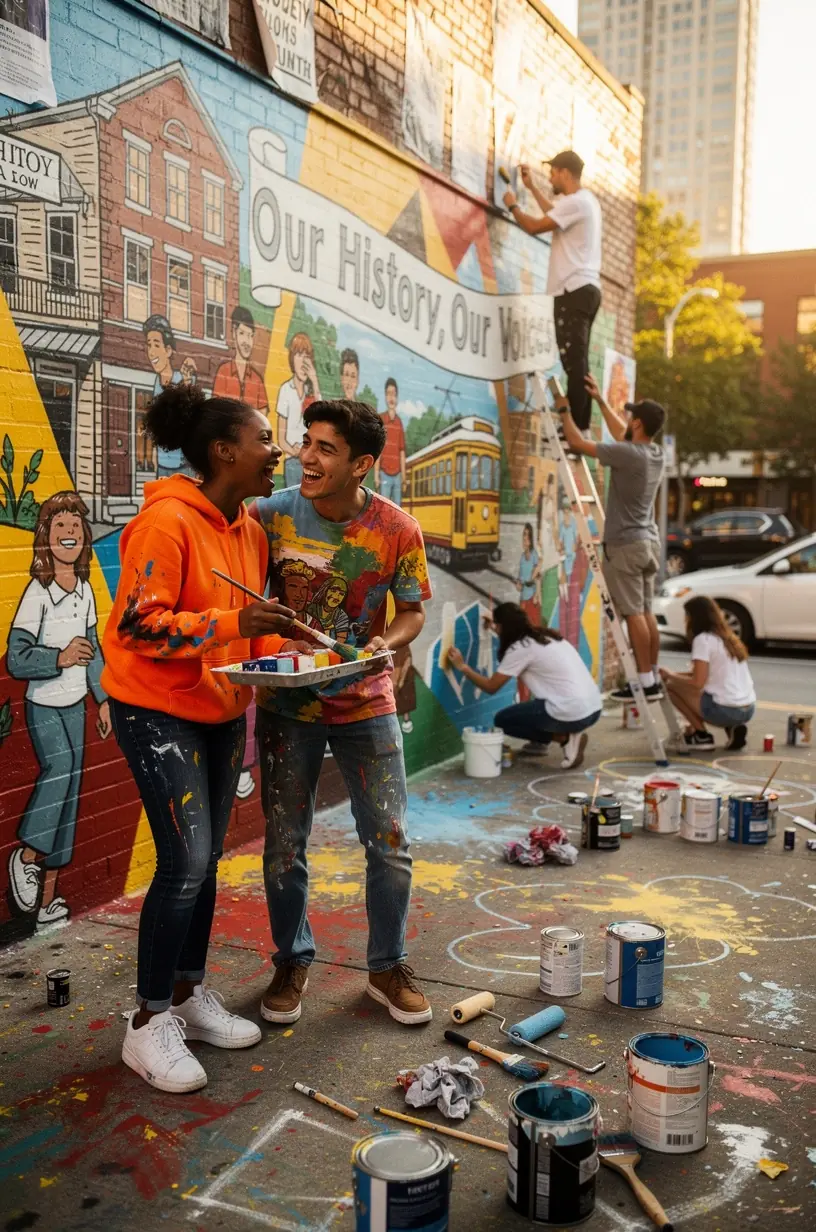
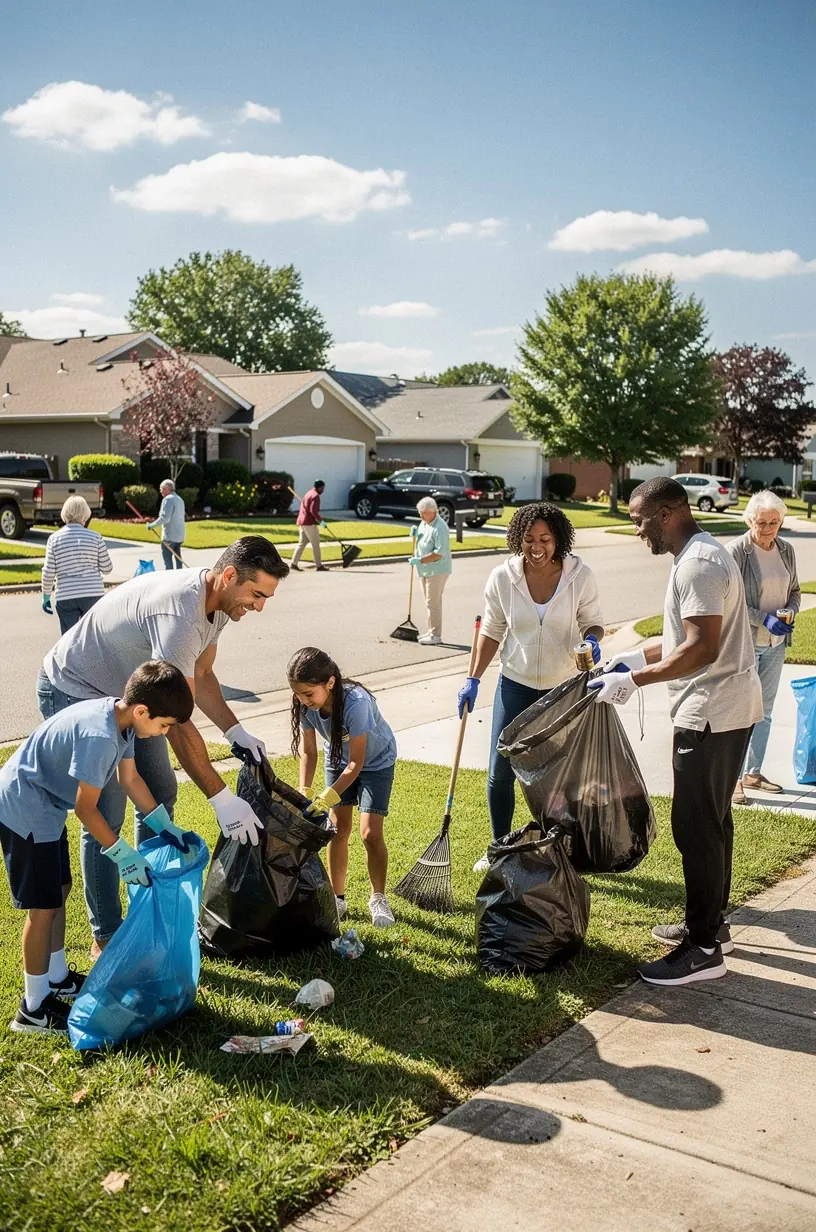
Hosting neighborhood events, such as clean-up days, block parties, or potluck dinners, can significantly enhance community spirit. According to experts, regular social interactions can create a sense of belonging and improve residents’ mental well-being. Moreover, planning these activities typically requires collaboration, promoting teamwork among neighbors.
Recognizing and Addressing Challenges
While building a stronger neighborhood can be rewarding, it is essential to acknowledge the challenges that may arise. For example, varying levels of community engagement can complicate efforts. In many cases, it may take a significant time commitment and consistent effort to see changes in community dynamics. It’s crucial to set realistic expectations and remain patient throughout the process.
Conclusion
Strengthening neighborhoods is an ongoing journey that involves the commitment of local residents. By taking practical steps to engage with one another, share resources, and foster social connections, communities can improve not only their living conditions but also their overall quality of life. Remember, the key to a thriving neighborhood lies in the power of collaboration and collective action.
Learn More