Understanding the Benefits of Local Volunteerism
Engaging in local volunteerism not only benefits communities but also provides numerous advantages for volunteers themselves. This article explores the various benefits of volunteering, supported by research and insights from experts in the field.
Why Volunteerism Matters
Volunteering is often seen as a way to give back, but its impact extends far beyond that. According to the Corporation for National & Community Service, communities with higher volunteer rates tend to have better overall health and social cohesion. Engaging locally can strengthen community bonds and support local needs.
"Research indicates that volunteerism can lead to increased community well-being and resilience." – National Conference on Citizenship
Personal Development Through Volunteer Work
Participating in local volunteer efforts can enhance personal development. Many volunteers report improvements in skills such as communication, teamwork, and problem-solving. A study by the Points of Light Foundation found that individuals who volunteer often develop a greater sense of purpose and self-worth.
Skill Acquisition
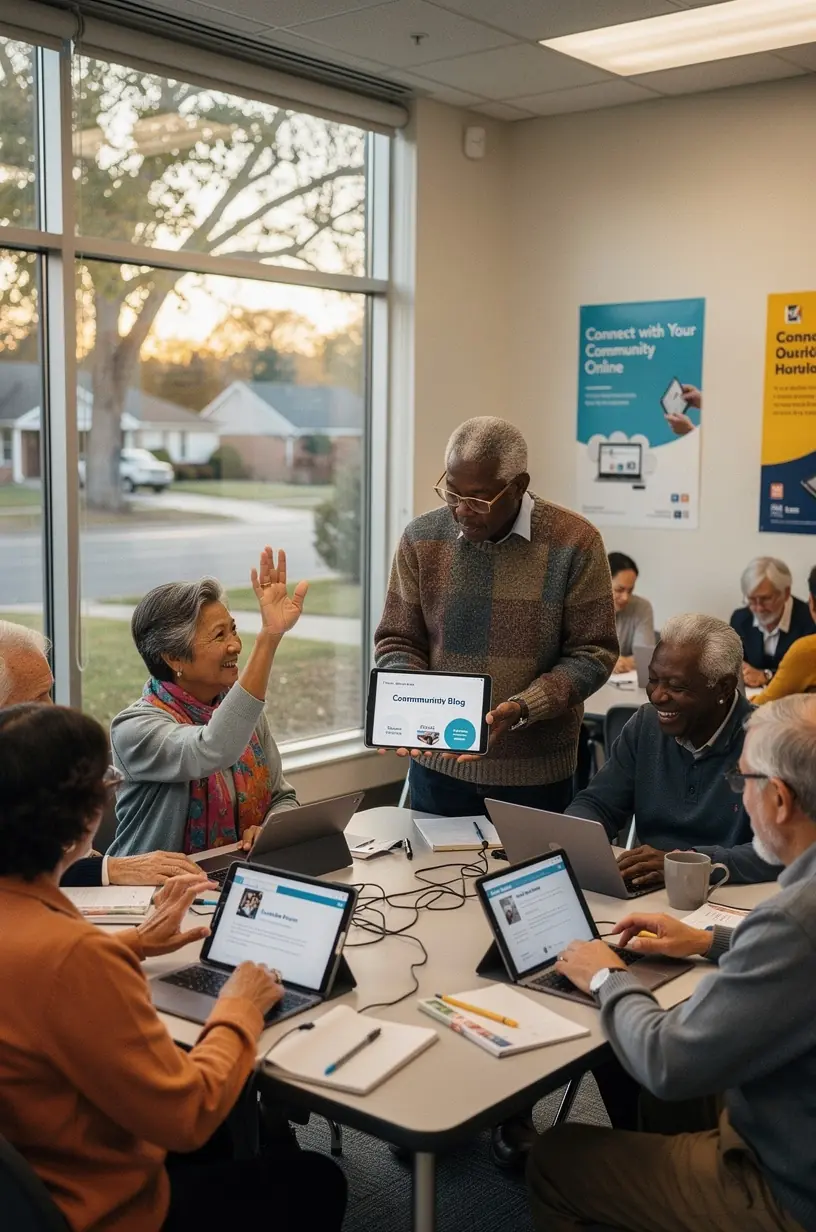
Volunteering often requires individuals to step outside their comfort zones, leading to the acquisition of new skills. For instance, organizing community events can improve project management abilities, while mentoring others can enhance leadership skills. This personal growth can be particularly beneficial for young adults entering the workforce.
Health Benefits of Volunteering
Engaging in volunteer opportunities can also have significant health benefits. Studies show that individuals who volunteer regularly tend to have lower blood pressure and a reduced risk of depression. The mental health benefits are often attributed to the increased sense of belonging and fulfillment that comes from helping others.
Physical Activity
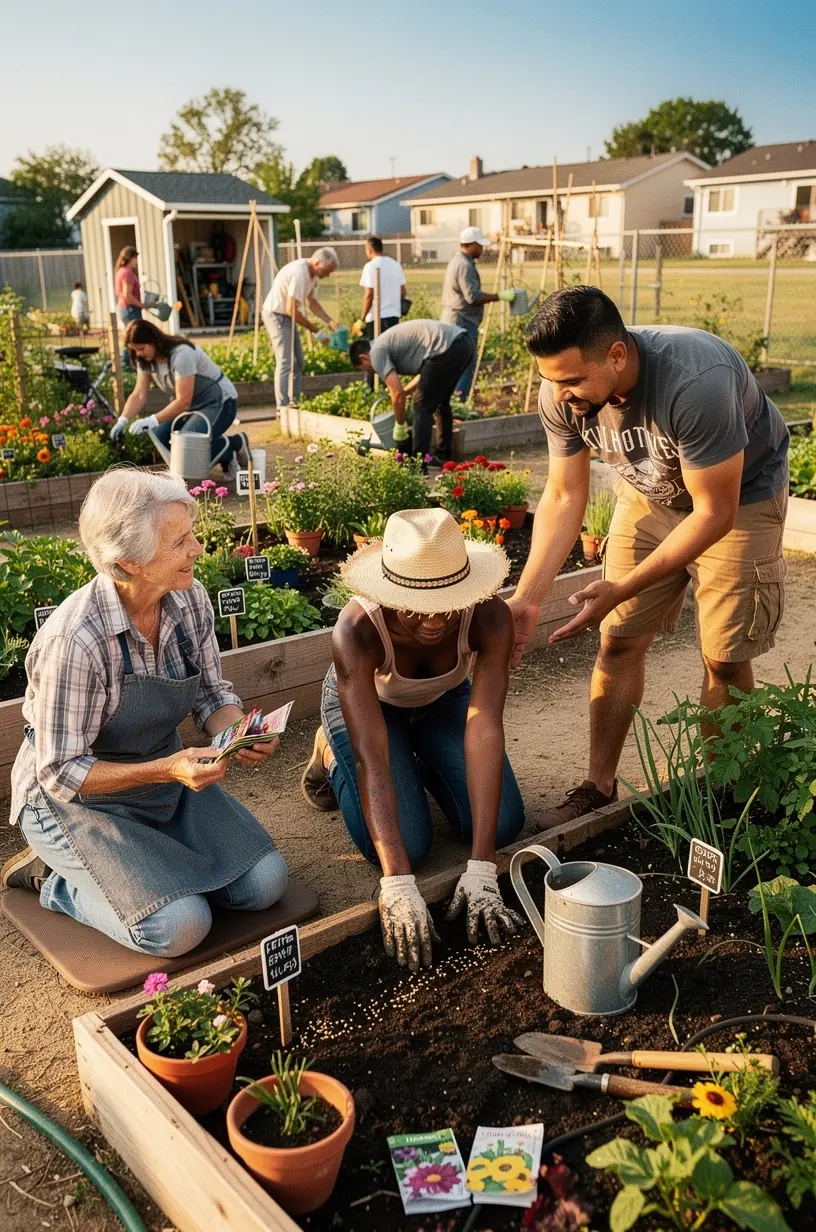
Many volunteer roles involve physical activity, which can contribute to better overall health. According to a report published by the Journal of Health Psychology, engaging in physical labor as part of volunteer work can lead to improved physical fitness and reduced stress levels.
Building Community Connections
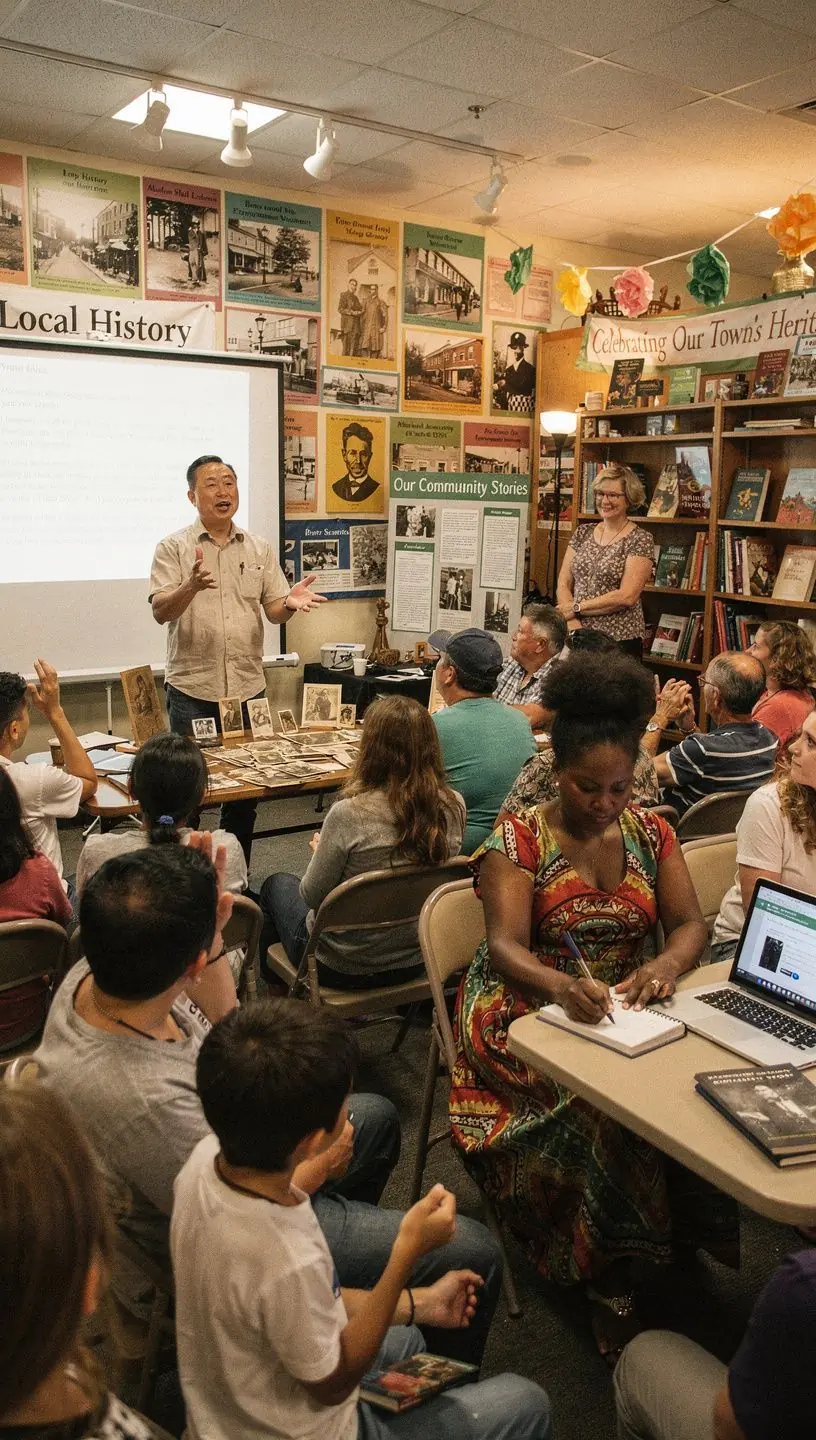
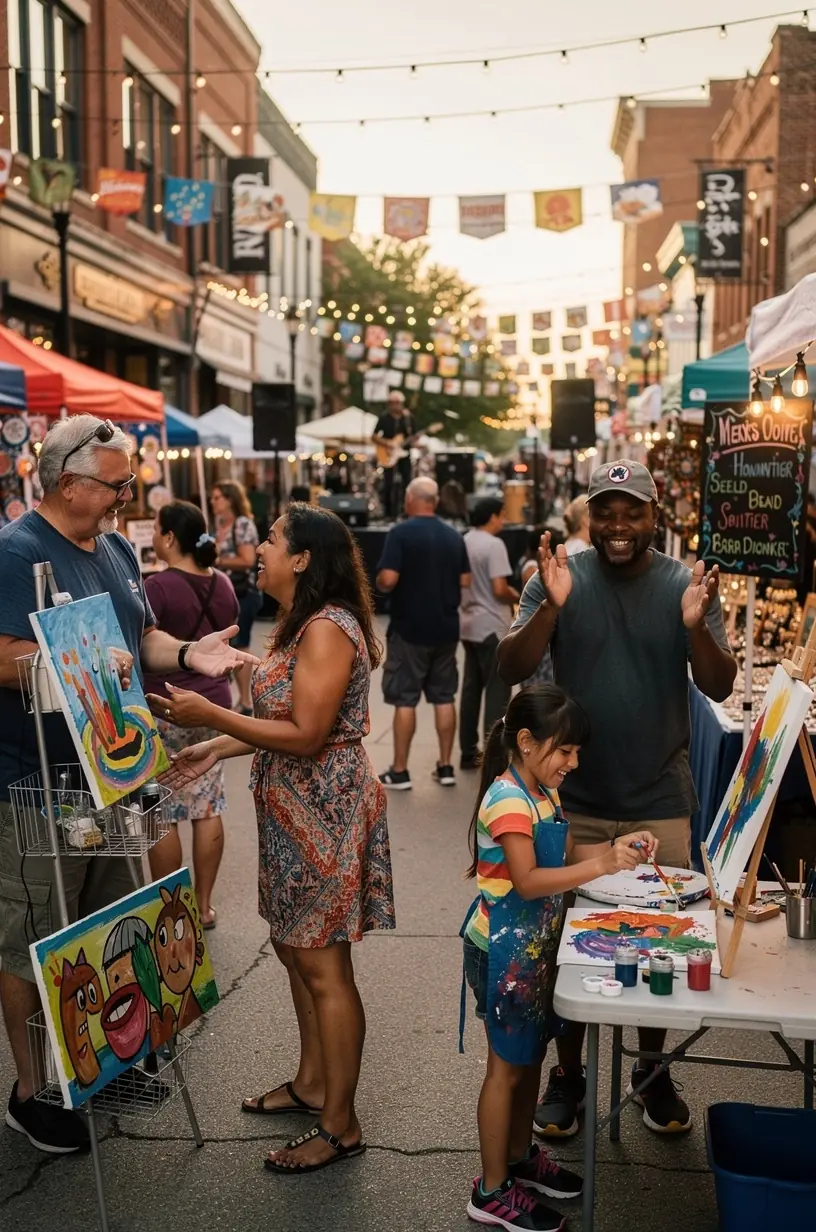
Volunteering locally fosters connections within the community. Many individuals cite friendships formed during volunteer activities as one of the most rewarding aspects of their experience. These connections can lead to stronger community ties and increased civic engagement.
- Networking Opportunities: Volunteering can provide networking opportunities that may lead to job prospects or collaborative projects.
- Cultural Understanding: Working with diverse groups allows volunteers to gain insights into different perspectives and cultures, fostering inclusivity.
- Community Pride: Being part of local initiatives can enhance pride in one's community, motivating further civic involvement.
Conclusion
In summary, local volunteerism offers a multitude of benefits, including personal growth, health improvements, and strengthened community ties. Engaging in volunteer work is a meaningful way to contribute to the community while gaining valuable life experiences. As communities continue to evolve, the role of volunteers remains crucial in shaping vibrant and resilient neighborhoods.