How to Foster Neighborhood Connections
Building strong connections in your neighborhood can enhance community spirit, improve safety, and create a supportive environment. This article delves into practical strategies for cultivating meaningful relationships with your neighbors.
Understanding the Importance of Community Connections
Research indicates that communities with strong social ties often experience lower crime rates and improved overall well-being. According to a 2019 study published in the American Journal of Community Psychology, individuals who engage with their neighbors report higher levels of happiness and life satisfaction. This highlights that fostering neighborhood connections can lead not only to personal benefits but also to a stronger, safer community.
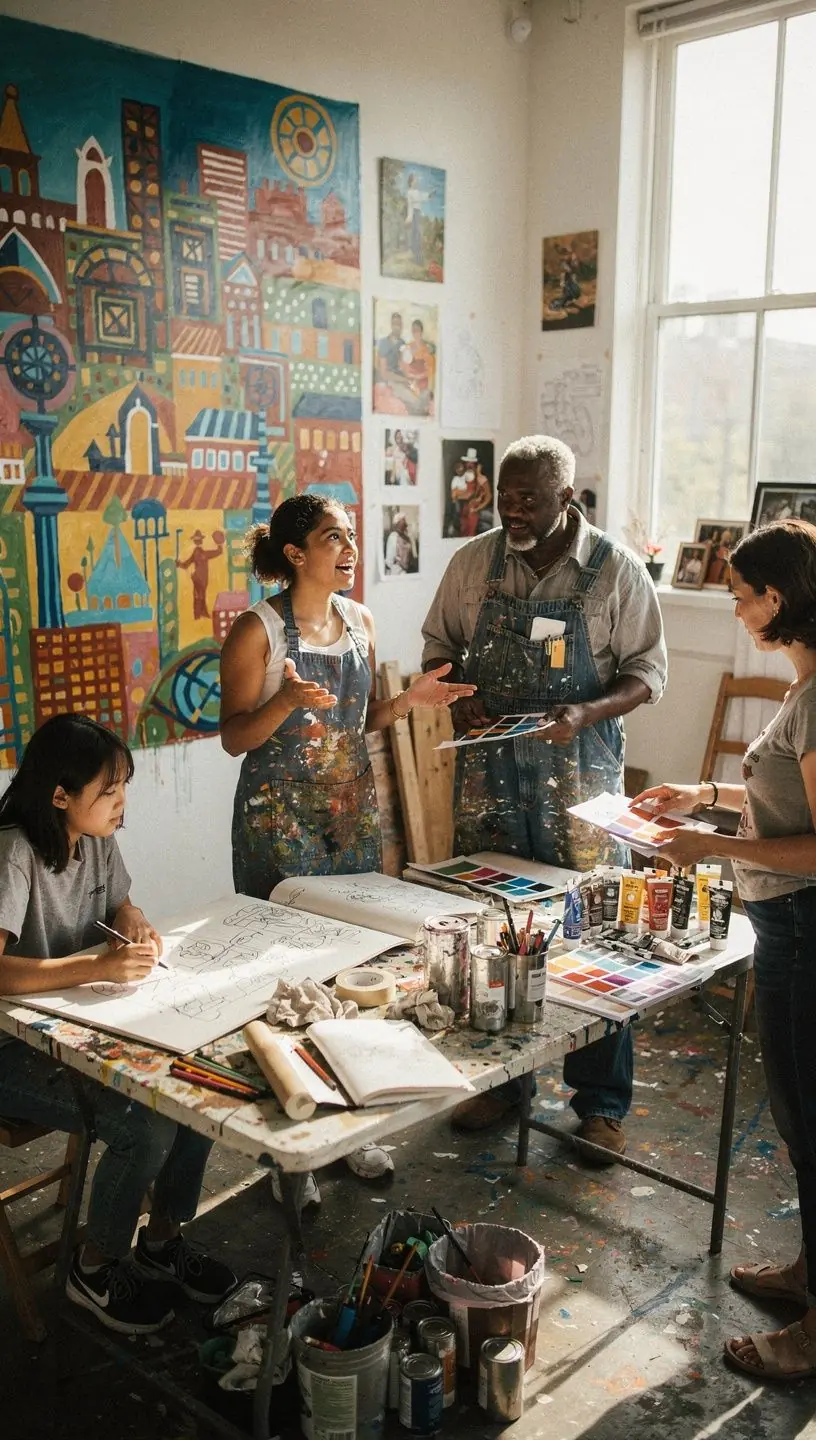
"Neighborhoods that collaborate and support one another create a sense of belonging that is essential for individual and collective well-being."
Practical Ways to Connect with Your Neighbors
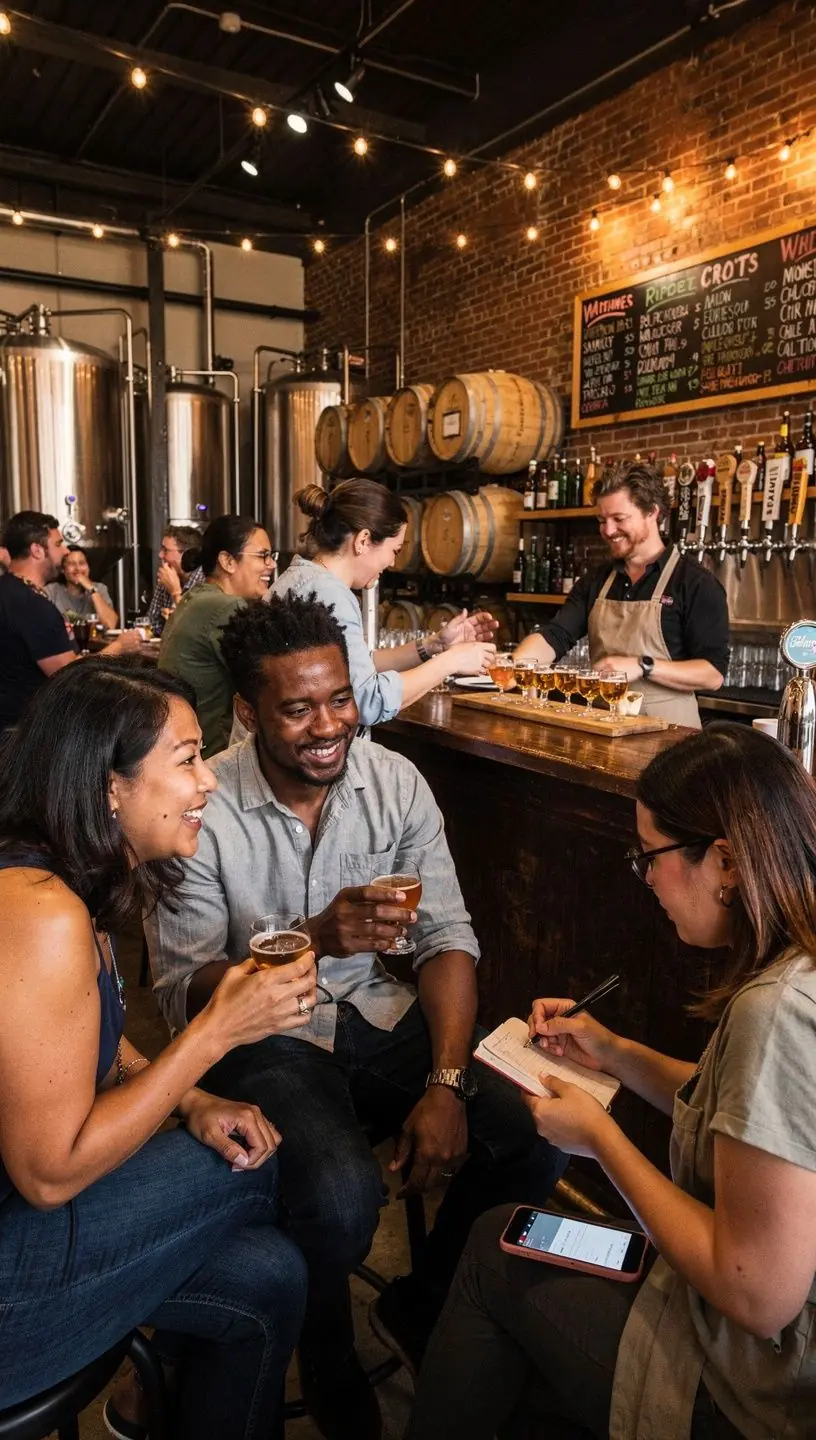
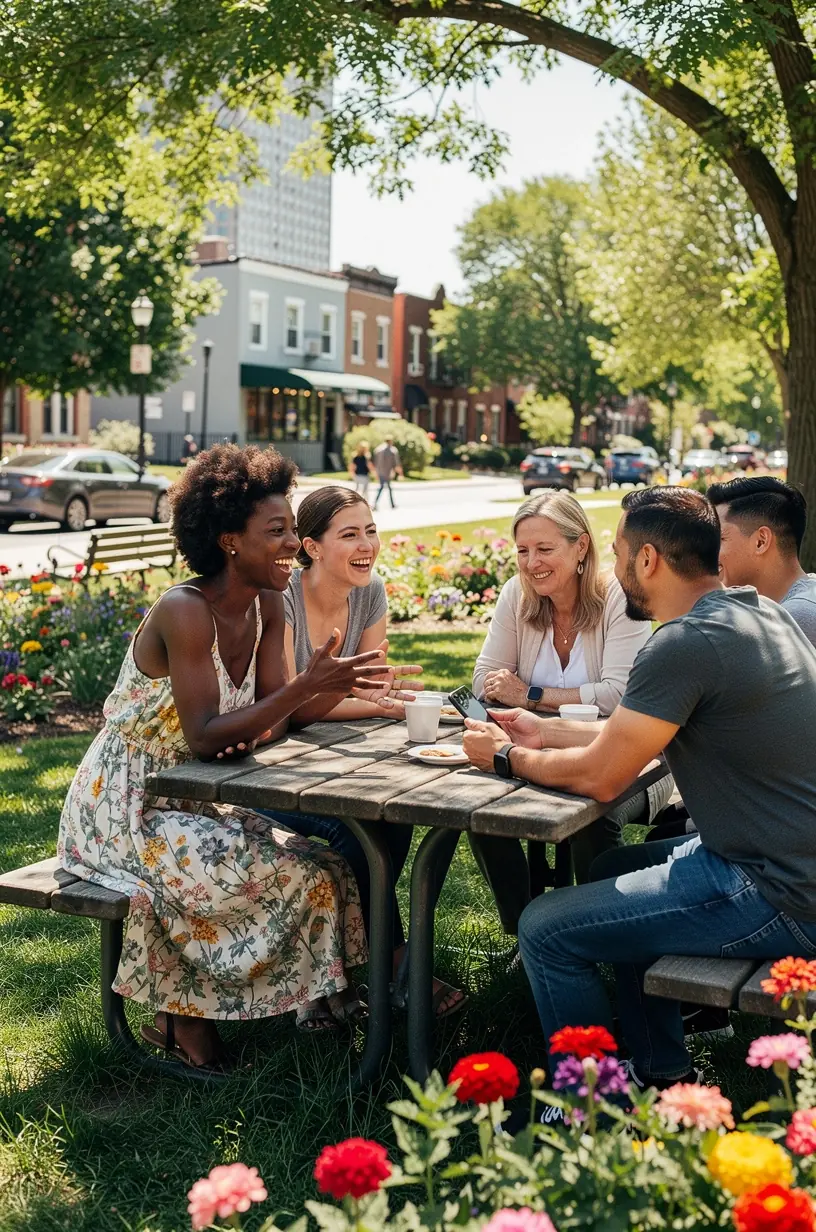
- Host a Neighborhood Gathering: Organize a casual event like a potluck or a block party. Research suggests that community gatherings can significantly enhance neighborly relationships, often resulting in long-lasting friendships.
- Establish a Community Group: Consider forming a group focused on local issues or interests. Whether it’s a gardening club or a book discussion group, shared activities can strengthen bonds. Studies show that people who participate in community groups are more likely to feel connected to their neighbors.
- Utilize Modern Communication: Create a neighborhood social media group or a messaging app chat. This approach not only facilitates communication but also enables residents to share local news, safety updates, and events. Experts recommend that using technology can help bridge gaps in communication, especially in densely populated areas.
- Volunteer for Local Projects: Engaging in community service projects can naturally bring residents together. Volunteering often leads to shared experiences, fostering camaraderie and trust among neighbors.
Challenges and Considerations
While fostering connections is beneficial, it may require time and effort. Establishing meaningful relationships typically takes several months to develop. Many users report that consistency in outreach efforts—like regular gatherings or communication—plays a crucial role in strengthening ties.
Additionally, be mindful of different personalities and preferences in your neighborhood. Some individuals may prefer social interactions while others may value privacy. Acknowledging these differences is essential for creating an inclusive environment where everyone feels comfortable participating.
Conclusion
Fostering connections within your neighborhood is a rewarding endeavor that can lead to a more vibrant, supportive community. By taking active steps to engage with those around you—through gatherings, shared interests, and even modern technology—you're not only enhancing your own life but also contributing to the wellbeing of your neighbors. Remember, the journey to building strong community ties is gradual, but the benefits can be profound and long-lasting.