Understanding Diverse Perspectives in Local Dialogues
Engaging in local conversations offers a unique opportunity to gain insights from diverse perspectives. This article explores how different viewpoints can enrich community dialogues and the importance of fostering an inclusive environment in discussions.
The Importance of Diverse Perspectives
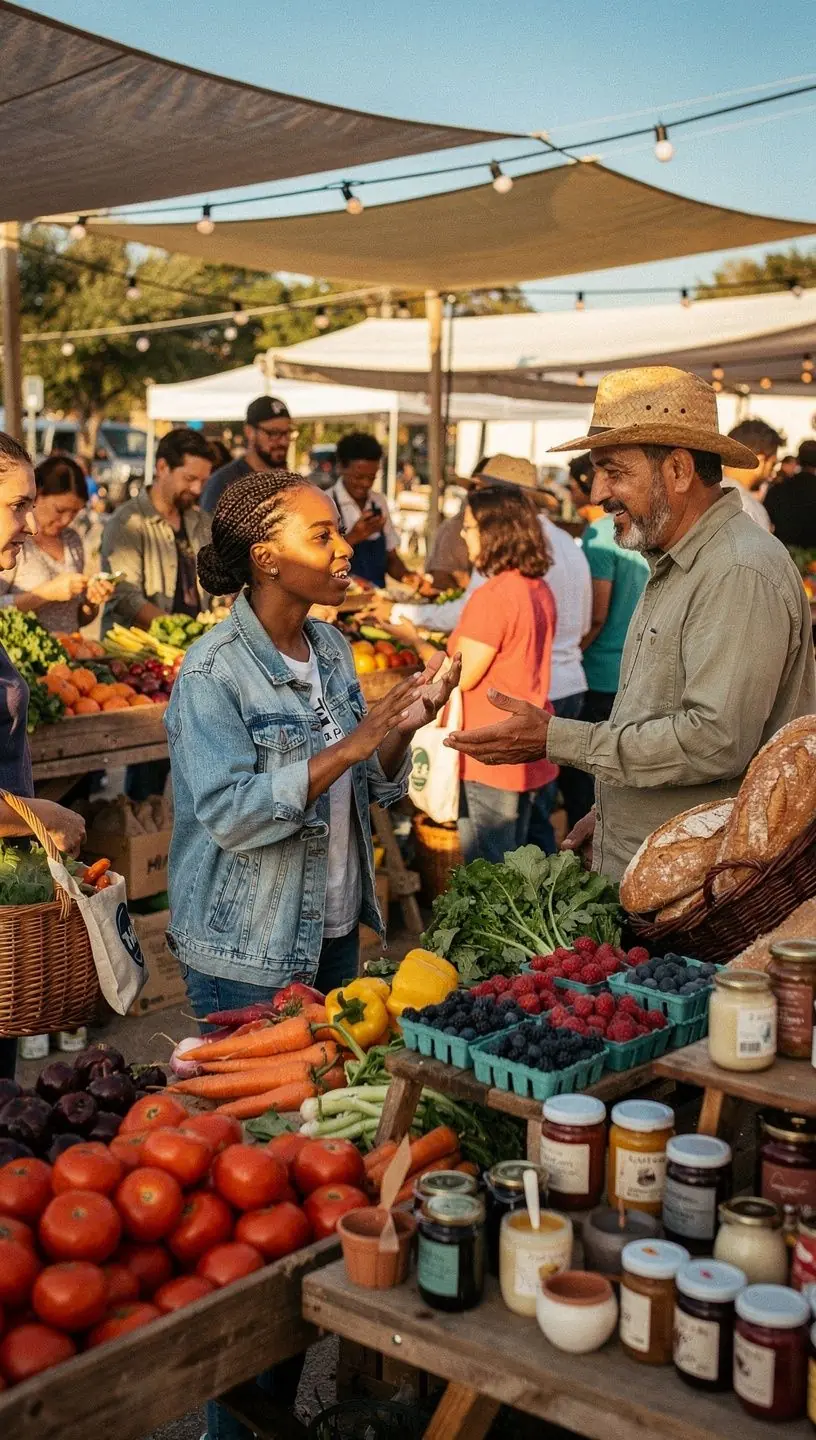
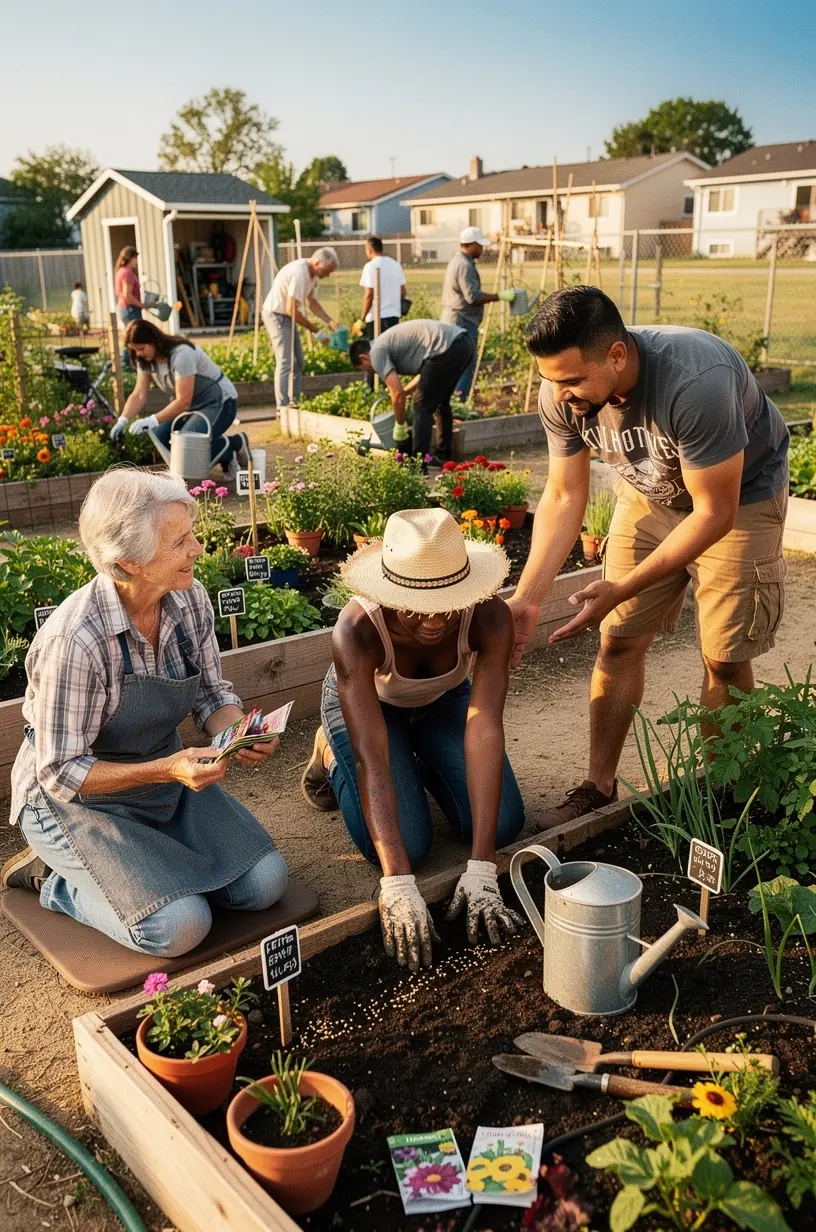
Local dialogues often reflect the rich tapestry of experiences and backgrounds within a community. Research indicates that including a variety of viewpoints can lead to more comprehensive understanding and innovative solutions. Communities that actively engage with diverse perspectives typically report higher levels of community satisfaction and cohesion.
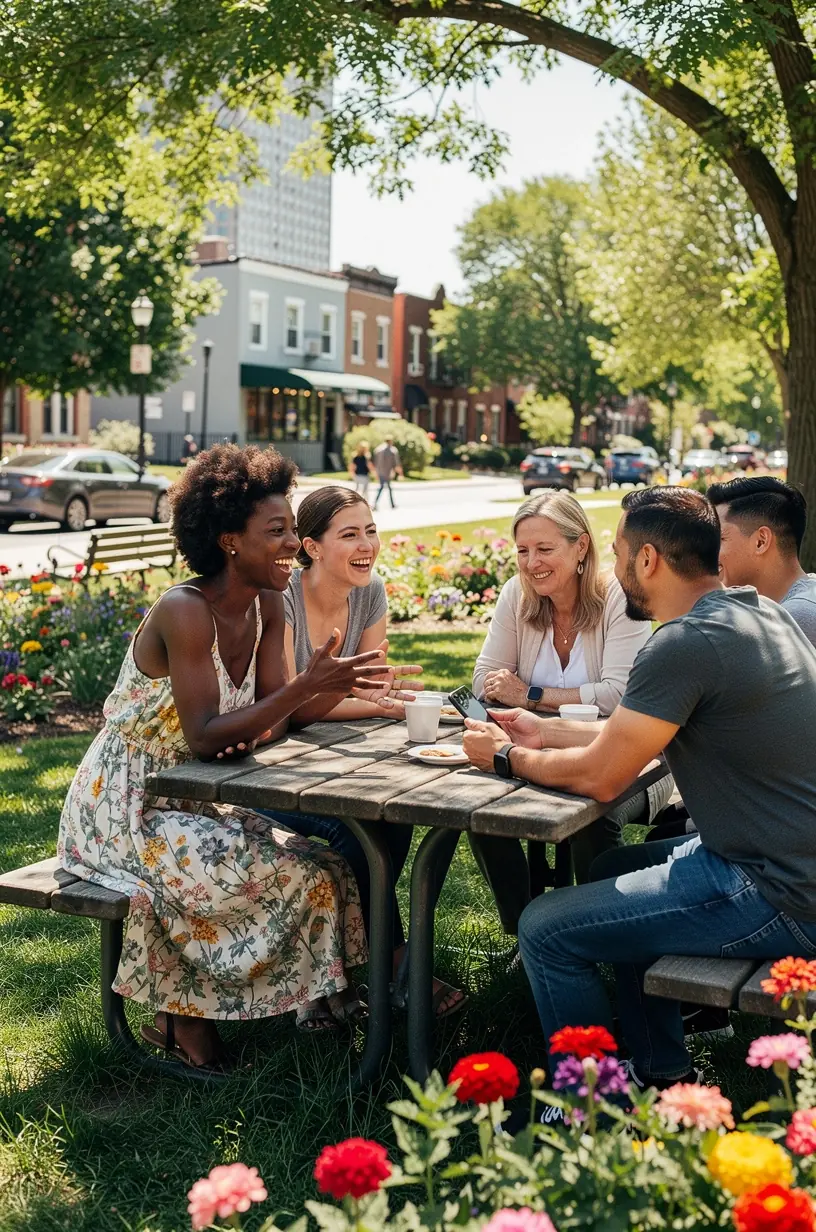
"Diversity of thought is crucial for effective problem-solving and innovation in communities." - Community Development Expert
Benefits of Embracing Different Viewpoints
- Enhanced Problem Solving: Engaging with different perspectives allows communities to approach challenges from various angles, which can lead to creative solutions that may not have been considered otherwise.
- Increased Empathy: Listening to diverse viewpoints fosters understanding and empathy among community members, helping to break down barriers and reduce biases.
- Stronger Community Bonds: When individuals feel heard and valued, it enhances trust and strengthens relationships among community members, creating a more connected environment.
How to Encourage Inclusive Dialogues
Creating an inclusive dialogue requires intentional effort and commitment. Here are some strategies to facilitate meaningful conversations:
- Establish Ground Rules: Setting clear guidelines for discussions helps ensure that everyone feels safe to express their views without fear of judgment.
- Promote Active Listening: Encourage participants to listen genuinely to others’ perspectives before responding. This practice can enhance understanding and respect.
- Seek Diverse Voices: Actively invite participation from various community members, including those who may feel marginalized or underrepresented.
Challenges and Considerations
While fostering diverse dialogues can be beneficial, it's important to recognize potential challenges. Conversations may sometimes become heated, particularly when discussing sensitive topics. Experts suggest that maintaining a calm and respectful atmosphere is crucial for productive dialogues. Additionally, be prepared to navigate differences respectfully and constructively.
Conclusion
Engaging with diverse perspectives in local dialogues can significantly enhance community interactions. By creating spaces for inclusive discussions, communities can foster understanding, innovation, and collaboration. While this approach may require effort and commitment, the potential rewards in community engagement and satisfaction are substantial.